
Tags
Sport
Published
Ready to activate your content? Talk to our team.
The past few years have been transformational for the world of sport, with football marketing campaigns having to evolve rapidly in response to unexpected difficulties.
The COVID-19 pandemic especially challenged football clubs to find new ways to engage fans during lockdowns across Europe, accelerating innovation in football marketing and digital engagement.
As one of the most affected industries, clubs were forced to find new ways to maintain fan connection while upholding their existing branding commitments.
From melting trophies and redesigned kits to video game competitions, we’ll be highlighting some of the best football advertising campaigns since 2020, which have reshaped fan-first storytelling.
1. Ajax Amsterdam: A Piece of Ajax, a standout football marketing campaign
While COVID unfolded, the Netherlands’ Eredivisie 2019-20 season was cancelled before all the fixtures had been played.
Dutch football made its return for the 2020-21 season, but fans were still barred from entering football stadiums.
So when AFC Ajax claimed their 35th championship, they did it without fans for 30 of their 34 matches.
In the absence of stadium attendance and in-person support, Ajax shifted focus from physical presence to participation, creating a moment designed to draw out intentional fan action rather than passive celebration.
Not content with steamrolling the competition (they won the title by a massive 12 points), Ajax launched the Piece of Ajax campaign and melted down their championship trophy into over 42,390 individual stars – one for each of the club’s season ticket holders – as a thank you for their support while matches were played behind closed doors.
Edwin van der Sar, CEO at Ajax, said: “This season, we have largely had to play without our fans. Without them sitting in the stands, at least. Despite this, we have felt their support every week. On the way to the stadium, on social media, and in our personal contacts.
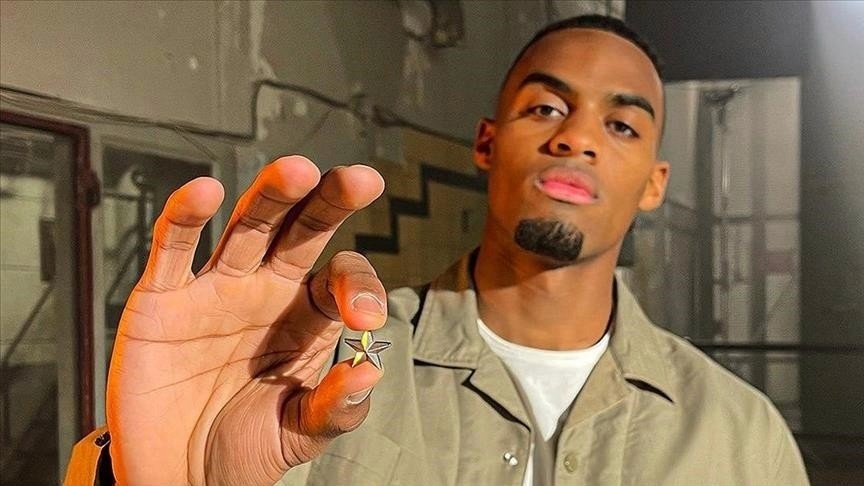
"Previously, when we said 'this title is for you,' we were expressing how we were doing it for the fans. However, sharing the trophy is the ultimate proof that we really are. After a turbulent year, we are ensuring our fans feel part of our championship."
By promoting this message across social platforms, during travel, and through direct contact with fans, AFC Ajex highlighted how fan engagement increasingly manifests across multiple environments, even when traditional attendance disappears.
Ajax’s commitment to sharing their successes with fans was admirable, and it won them many plaudits for their creative and heartfelt initiative.
Widely regarded as one of the best football marketing campaigns of the pandemic era, Piece of Ajax demonstrated how participation-led football marketing can deepen emotional loyalty.
But beyond the emotional impact, the campaign illustrates a broader shift in fan expectations, from recognition to participation.
Supporters now seek meaningful involvement in a club’s success, not just acknowledgement of it.
2. Leyton Orient: UltimateQuaranTeam! – one of the best football marketing campaigns of the pandemic era
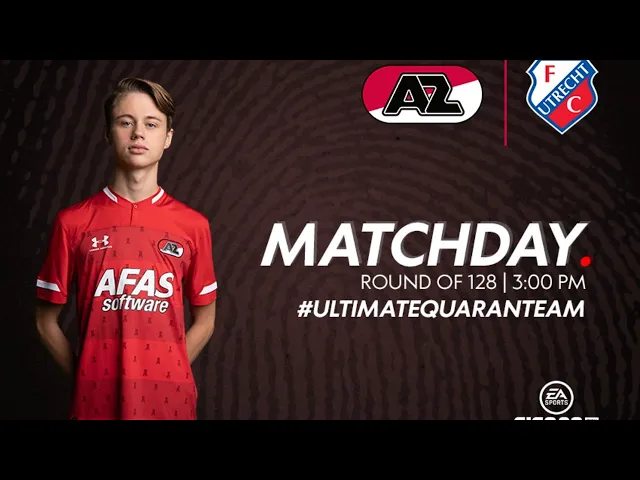
When football fixtures in England were postponed indefinitely at the start of the pandemic, Leyton Orient Football Club's off-the-cuff campaign turned into a 126-team knockout FIFA tournament that would include teams from sixteen countries - including England, the USA, and the Netherlands.
With live football not an option, the initiative shifted fan engagement from scheduled consumption to active participation, inviting supporters to co-create the experience rather than simply follow it.
At a time when the world faced uncertainty, Leyton Orient’s campaign created a shared participation loop that kept fans interacting with clubs, players, and each other at a time when traditional touchpoints had disappeared and ultimately gave them something to smile about.
#UltimateQuaranTeam started as a “let’s do something while there’s no football being played” game, but it soon picked up momentum with teams like Manchester City, Roma, Orlando Pirates, Sydney FC, Istanbul Basaksehir and Groningen nominating one individual to represent them on the FIFA 20 video game, including professional footballer Andros Townsend (Crystal Palace).
The result? £66,122 was raised for the English Football League’s mental health charity Mind, and the official Covid Response Team, and a lot of FIFA games were played during lockdown!
Beyond fundraising, the tournament revealed how cause-driven participation can deepen engagement, which combines play, purpose, and community into a single experience.
Danny Macklin, Chief Executive at Leyton Orient, said: “This is very much the brainchild of our innovative Media Team. This provides a fantastic opportunity to play a small part in providing some engaging content to football fans at this very difficult time.
“Furthermore, and perhaps even more importantly, it’s a chance to raise much-needed funds for EFL clubs and two phenomenal causes."
The campaign has since been cited as a benchmark for digital-first football campaigns, blending community, entertainment, and purpose-driven football marketing.
For clubs, initiatives like this show that when interaction is designed with intent, even improvised formats can become powerful sources of behavioural insight.
3. Arsenal FC: No More Red – one of the most powerful football marketing campaigns in recent years
London is one of the world’s most powerful footballing cities.
Clubs like Chelsea, Fulham, and West Ham United call it home, but the red and white of Arsenal F.C is most closely associated with London’s football history.
Outside the world of football, London faces ongoing problems with youth crime and gang culture. In 2021, London saw the highest ever level of teenage murders since records began, most of which involved knife attacks.
Arsenal’s response was strong, and the club’s No More Red campaign (in partnership with Adidas) manifested itself on the pitch.
Arsenal removed any hint of red from their traditional strip, playing in an all-white kit in an FA Cup match against Nottingham Forest to raise awareness of the amount of young blood being spilt on the streets of London.
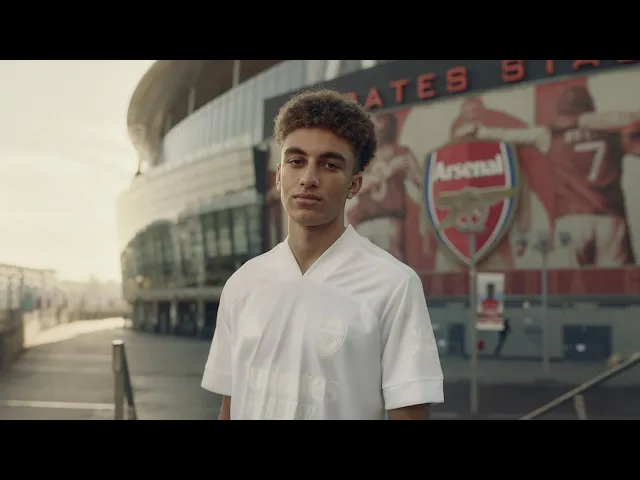
The campaign included interviews with current and former players, actor Idris Elba, and grassroots initiatives that tackled the root causes of youth violence.
Together, these elements extended engagement beyond the match itself, encouraging deeper interaction with the campaign’s message across multiple channels.
Arsenal went one step further; the all-white shirts were not made commercially available and were instead reserved for people making significant contributions to local communities.
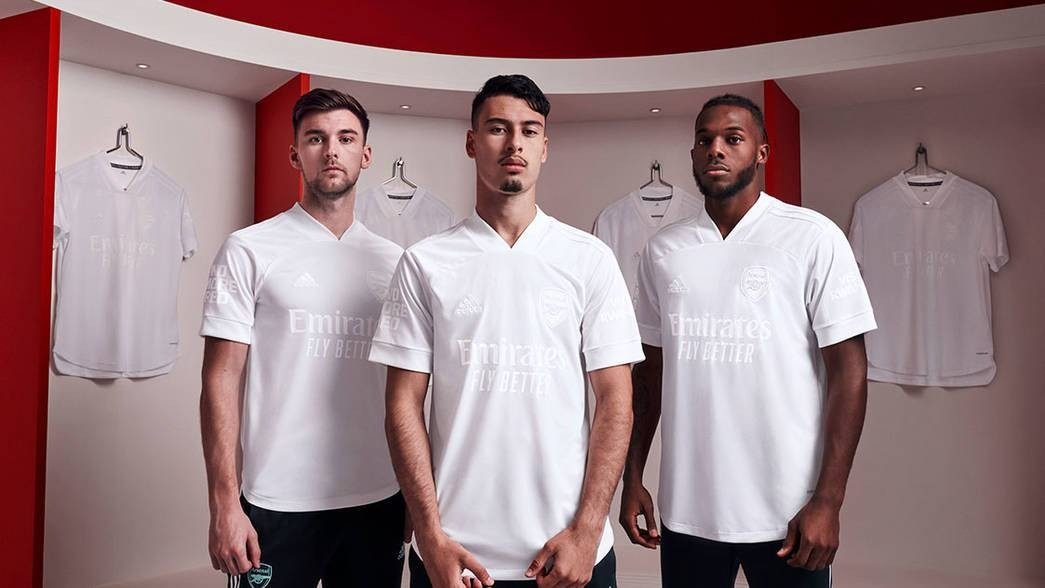
Source: arsenal.com
Idris Elba, No More Red mentor, said: “From the time young people leave school, until the time they’re at home with family, there is often a void, a dangerous spike of nothing to do, where nothing can easily turn into something dangerous."
“If there continue to be no options for this after-school period, we will always see gangs form. Let’s create options for these young people.”
Voices like these added emotional weight to the football advertising campaign, strengthening participation and reinforcing how storytelling influences fan perception and response.
Arsenal’s campaign raised a lot of awareness for youth violence in London, and the club’s decision to emphasise the problem through a specially-made kit was particularly effective, and reflects how fans increasingly connect through shared values, not just results.
4. Manchester United: Donate Your Words – a landmark football advertising campaign
While Arsenal was tackling youth violence in London, its rivals, Manchester United, were focusing on the older generation.
The ‘Donate Your Words’ campaign, launched with chocolatiers Cadbury’s, found that 225,000 older people go more than a week without speaking to anyone. It raised awareness for older supporters who don’t have anyone to share their words with.
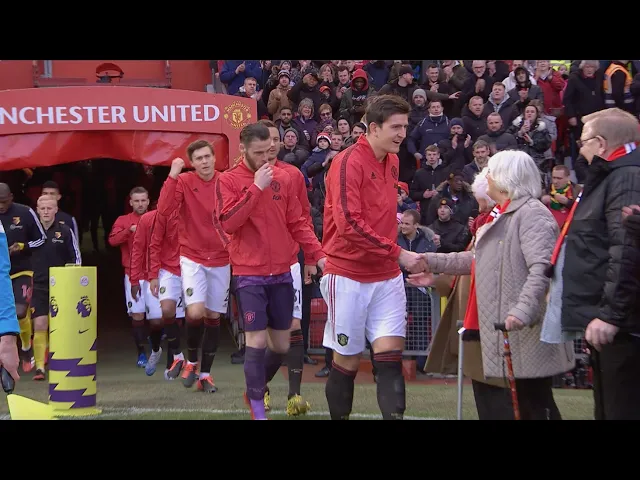
The campaign reframed fan participation as an act of empathy, which encouraged purposeful and real-world interaction.
Featuring club captain Harry Maguire and reaching 92.8% of the UK’s population, Manchester United pushed awareness for the older generations, including matchday advertising, digital media, and matchday access, to create a unique ‘Guest of Honour’ experience for 11 local elderly Manchester United fans.
“Any small gesture and interaction can play a part in helping to tackle loneliness amongst our older generation.”
Sean Jefferson, Director of Partnerships at Manchester United, said: “We are pleased to start our partnership with Cadbury by supporting their ‘Donate your words’ campaign.
“The club is encouraging all fans to give a few moments of their time to speak to older people around them who might welcome a thoughtful conversation.”
Like Arsenal, Manchester United brought their campaign to the pitch. A strong move that gave the Donate Your Words initiative an added sense of authenticity, creating meaningful interaction that extends beyond awareness into action.
5. LaLiga: The Red Carpet(s) – one of the best football marketing campaigns in european football
It isn’t just football clubs that are redefining fan engagement – entire leagues are too.
In 2021, LaLiga – Spain’s top footballing division – rolled out seven red carpets worldwide (literally) to activate global audiences around its showcase fixture, El Clásico.
By bringing El Clásico into public spaces, LaLiga transformed a broadcast fixture into a physical, shareable experience, creating visible signals of global fan engagement beyond traditional viewership metrics.
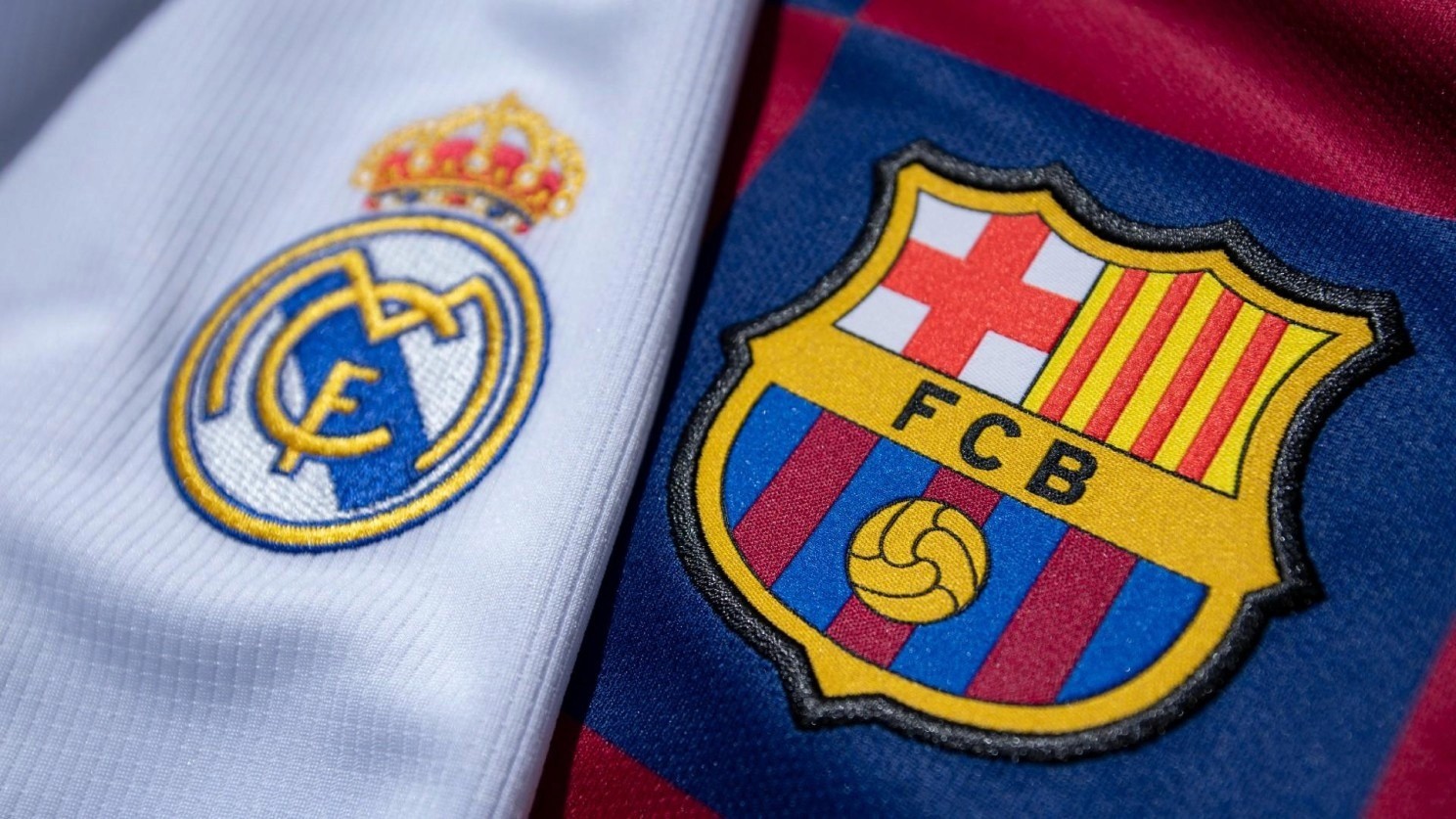
Source: sportingnews.com
Real Madrid vs Barcelona is one of the world’s most intense footballing rivalries, where the winners of El Clásico are often the team that goes on to win the league.
And it isn’t just a Spanish audience that is invested in the outcome, which is why LaLiga launched a campaign that brought El Clásico to nations including the US, Australia, and most famously, Tajikistan.
LaLiga won the “Best Marketing/Advertisement campaign” at the Marspo Awards in 2021 for rolling out the red carpet in Tajikistan's capital city, Dushanbe, to demonstrate the city’s love of football.
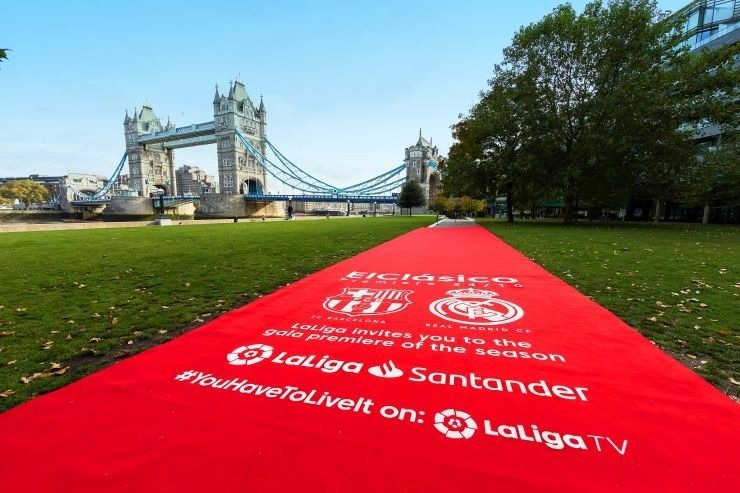
Source: laliga.com
Jose Carlos Loaiza, LaLiga Delegate for Russia & Baltic countries, said: "We are very happy with this recognition. From London to Dakar, the installation of the LaLiga ‘Red Carpets’ across the globe brought to life the excitement, the entertainment, the glamour, and the global reach of this fixture and LaLiga. “We are pleased to see we played a part in inspiring people across Central Asia, through the power of sport and entertainment.
"Too often, major sporting fixtures are seen through the prism of a “local” audience. LaLiga put that myth to bed with this campaign and was well-rewarded for demonstrating that even smaller nations enjoy football as much as local fans. And the campaign illustrates how major fixtures can generate value by activating fans where they are, revealing that global engagement is shaped as much by cultural participation as by broadcast reach.
A few final thoughts
Sports institutions can’t survive without fans, but meaningful engagement is no longer defined by presence or sentiment alone. The campaigns explored here show how clubs and leagues are creating moments that invite participation, interaction, and emotional investment, strengthening the relationship between fan and institution while generating measurable signals of engagement.
Photo by Ekansh Saxena on Unsplash
Looking more closely, each campaign may have originated in sport, but its impact extended far beyond the pitch. Whether addressing social issues or creating unity during periods of disruption, these initiatives succeeded by encouraging fans to actively take part. In doing so, they demonstrate how purpose-driven campaigns can deliver both cultural value and clearer insight into what truly resonates with audiences.
See how other brands are bringing this to life with Amondo.
More from the blog

Ready to build something your audience will remember?
Bring your world of content into one connected content system - and make every piece work harder.
Trusted by brands that take content seriously